Circuits
Electrical Installations
New circuits, plug points, lighting and distribution for new builds and renovations.

Registered electricians for faults, upgrades and certificates across South Africa.
Every contractor we refer issues a Certificate of Compliance
Electrical work covers far more than most people expect when they start looking. Through our contractor network the scope runs from adding a plug circuit to rewiring an entire building, and includes new installations, rewiring, DB boards and protection, lighting and switching and energy systems and inverters. The right contractor for a single fault is rarely the right one for a full installation, which is why we match on the work rather than sending the same name to everyone.
Contractors are matched on where they actually work, not how far they will travel. A team based near your property arrives when they said they would, returns quickly if something needs attention afterwards, and already knows the local supply authority and the housing stock. Where we have more than one suitable contractor covering South Africa, you can compare them instead of taking the first name offered.
Housing stock changes what an electrician finds on site. Older suburbs often still run pre-1980 wiring and undersized boards that trip under modern loads, so a compliance check is worth doing before adding a geyser, pool pump or inverter. Newer developments more often need capacity upgrades for solar and battery backup rather than replacement of what is already there.
Electrical quotes are unusually hard to compare because so much of the work ends up inside walls. Two contractors can quote the same job with different cable sizes, different numbers of circuits and different protection, and the cheaper one is not necessarily cutting corners — it may simply be answering a different question. Ask what circuits are included and how the board will be arranged. We publish no rates. Tell us what you need and we will match you with contractors covering your area.
Issued by a registered person who carries the liability
A Certificate of Compliance certifies that a fixed electrical installation meets the applicable standards. You generally need a valid one when selling a property, and insurers routinely ask for one after an electrical fire or claim. It covers the installation as it stood when issued — work carried out afterwards is not covered by an older certificate, which surprises a lot of sellers.
Ask any contractor for their registration number and the name it is registered under, then verify it rather than accepting a card at face value. The registered person issues the certificate in their own name and carries the liability for it, which is precisely why the registration matters. Every electrical contractor on this platform has been checked before being listed.
Compliance issues cluster around property age and previous work. Older installations commonly fail on earthing, protection and boards that predate current requirements. More often, though, problems come from undocumented additions — an outbuilding, a pool pump, a borehole or an inverter added without sign-off.
There is a practical order to compliance work that saves money. Get the installation inspected first, receive the list of what needs correcting, then decide what to do — rather than commissioning repairs and hoping they cover everything. An inspection is a small, defined cost; the remedial work that follows is not, and it cannot be known beforehand. We publish no rates. Tell us why you need the certificate and we will match you with contractors covering your area.
The DC side is specialised; the connection is fixed electrical work
Backup power sits across two disciplines. The DC side — panels, arrays, batteries — is specialised work, but the connection into your board and the earthing is fixed electrical work that needs a registered person to sign it off. Grid-tied systems generally also need to be registered with the local supply authority. An inverter installed without certification is a genuine insurance problem rather than a technicality.
Sizing is where most backup power money is wasted. A system chosen from a package rather than from your actual consumption either falls short during an outage or costs considerably more than it needed to. A contractor worth using asks what you want to keep running and for how long before recommending anything, and is willing to tell you a smaller system will do.
Property conditions shape what is practical. Roof orientation, pitch and available area determine array size; older properties often need board and protection work before an inverter can be connected safely. Estates and complexes frequently have their own rules on panel visibility and roof penetrations, and those need checking before equipment is ordered.
We do not publish prices for solar, inverters or batteries. Equipment costs move constantly, installation varies with roof access and the state of your existing board, and contractor rates differ significantly between areas. Any figure here would be out of date or misleading. Tell us what you want to keep running during an outage and we will match you with contractors who cover your area and can specify properly.
Full-scope electrical capability from basic installations to complex energy systems.
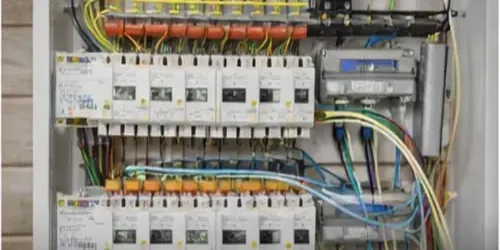
New circuits, plug points, lighting and distribution for new builds and renovations.
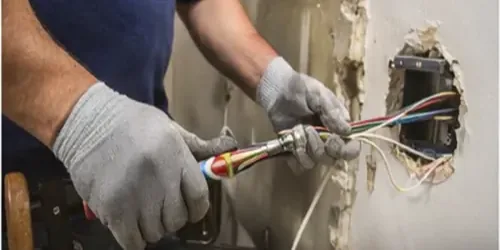
Full or partial rewiring of homes and commercial buildings with COC on completion.
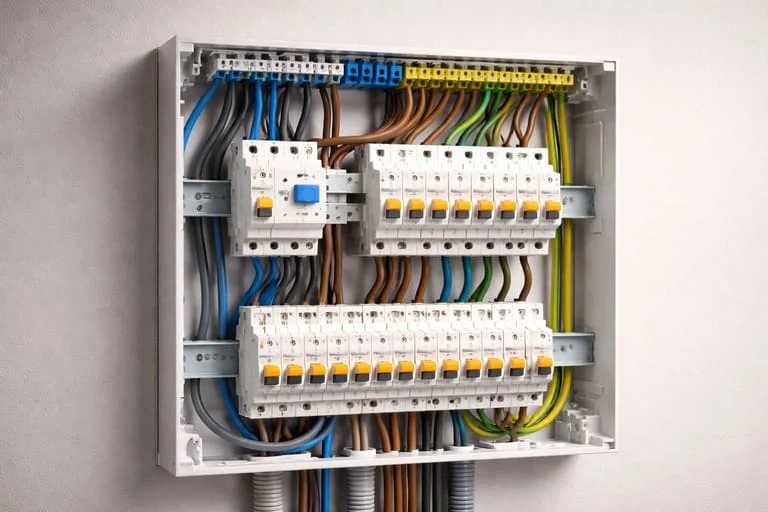
Distribution board upgrades, fault-finding and replacements to current standards.
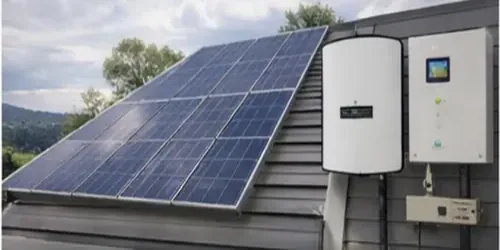
Solar PV, inverters, battery backup and load-shedding solutions installed correctly.

Smart lighting, climate control and integrated home automation systems.
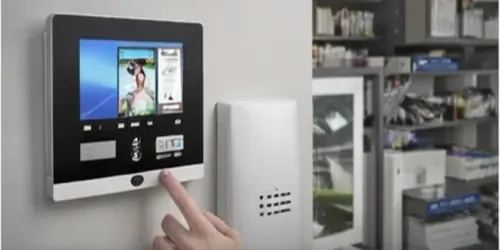
Intercom systems, data cabling, Wi-Fi infrastructure and CCTV pre-wiring.
Non-compliant electrical work voids your insurance. Every contractor we refer is DOE-registered.
Electrical faults are one of the leading causes of house fires in South Africa. The only way to protect your home and family is to use a registered, certified electrician who issues a valid Certificate of Compliance for every job.
Our network includes electricians who specialise in everything from basic domestic installations to commercial three-phase systems and off-grid solar solutions.
Housing stock changes what an electrician finds on site. Older suburbs often still run pre-1980 wiring and undersized DB boards that trip under modern loads — worth a compliance check before you add a geyser, pool pump or inverter. Newer developments more often need capacity upgrades for solar and battery backup.
Find our verified contractors across all major areas and suburbs in your province.
No areas listed yet.
No areas listed yet.
Also covering
No areas listed yet.
No areas listed yet.
No areas listed yet.
No areas listed yet.