
Lighting
Home Automation
Lighting control, climate, blinds and scene setting — fully integrated smart home systems.

Installers who set the system up and then show you how to use it — across South Africa.
Automation, intercoms, gate control, audio and networking
Smart home work covers several trades that have converged. Through our contractor network the scope includes home automation, intercoms, gate automation, audio and visual, networking and data cabling. An installer strong on multi-room audio is not automatically the right person for lighting control or access systems, and the platforms involved differ enough that specialisation is real.
The most useful question before specifying anything is who will change it later. Some systems can be reprogrammed by the owner from an app; others require a certified dealer for any modification, including moving a light from one scene to another. Neither approach is wrong, but discovering the difference two years in — when the installer has moved on and a small change needs a call-out — is an unpleasant way to learn it.
Specification should follow how the house is actually used rather than what is technically possible. Automating lighting in a room nobody sits in, or adding voice control to something already operated by a switch beside the door, adds complexity without benefit. The installations that get used years later are the ones that solved something specific — gate and intercom answered from a phone, outside lights on a schedule, a geyser or pool pump controlled around load shedding.
Smart home pricing is genuinely difficult to generalise, because the same brief can be met at very different levels. Wired systems installed during construction, retrofit devices behind existing switches, and dealer-programmed platforms all solve overlapping problems at substantially different costs. We publish no rates, and equipment is priced by the contractor for your specification. Tell us what you want to control and we will match you with contractors covering your area.
Wired, retrofit and dealer platforms suit different people
Smart home platforms fall into broad tiers, and choosing the wrong tier is the commonest expensive mistake. Wired bus systems such as Clipsal C-Bus are installed during construction or a major rewire, carry control signals on dedicated cabling, and are very robust once commissioned. Dealer-installed ecosystems such as Control4 and Elan integrate control, AV and access behind a single interface, generally programmed by a certified installer. Retrofit devices such as Shelly and Sonoff fit behind existing switches and suit an existing house where rewiring is not on the table.
Audio is a separable decision, and treating it as one keeps options open. Multi-room systems such as Sonos operate perfectly well on their own and can generally be brought into a broader control platform later, which means you can start with audio and add automation afterwards without stranding the investment. Locking audio into a single proprietary ecosystem from the outset is harder to unwind if you change your mind about the control platform.
Retrofit devices have a genuine advantage that is rarely mentioned: reversibility. Shelly and Sonoff modules fit behind existing switches, leave the original wiring and switch plates intact, and can be removed entirely if you change direction. Local control matters here too — devices that continue working when the internet drops behave far better in practice than those requiring a cloud service for basic switching. Ask specifically whether a device works locally, because it is not always obvious from the packaging.
Mixing platforms usually costs more than it saves. Two ecosystems means two apps, two support paths and integration work that has to be maintained as both change independently. Sticking to one platform keeps things reliable and locks you in; using open standards keeps flexibility at the cost of some setup complexity. We publish no pricing on equipment or installation because the platform decision changes it entirely. Tell us what you want to control and we will match you with contractors covering your area.
Gate motors and network gear need different backup
Connectivity fails at your end during an outage even when the network is fine. Fibre equipment, routers and switches all need power, so an outage takes the internet down with the lights unless they are on backup. A small uninterruptible supply on the router and switch costs relatively little and keeps connectivity, cameras and remote access working through short interruptions.
Surge damage accounts for more equipment loss than anything else in connected homes. Power returning after an outage, and lightning during summer storms, both damage network switches, control processors and AV equipment — often subtly rather than immediately. Surge protection at the distribution board and at sensitive equipment is inexpensive relative to what it protects, and the fibre or copper line entering the house deserves attention as well as the mains.
Systems should recover from an outage without anyone intervening. Well-configured installations come back up, reconnect and resume schedules automatically; poorly configured ones need devices power-cycled in a particular order or scenes reset manually. Ask specifically what happens after a power interruption, because in an area with regular outages the difference between automatic and manual recovery is felt weekly rather than annually. Gate motors also deserve attention — battery backup is measured in cycles rather than hours, and the manual release position is worth knowing before you need it.
Resilience is usually the cheapest part of a connected home and the first thing left out. A small uninterruptible supply on the network equipment, surge protection at the board and at sensitive devices, and gate battery backup sized for realistic outages together cost a fraction of the equipment they protect. We publish no rates because requirements depend on your equipment and your local supply reliability. Tell us what you have and we will match you with contractors covering your area.
From intercoms to full home automation and structured cabling.
Lighting control, climate, blinds and scene setting — fully integrated smart home systems.
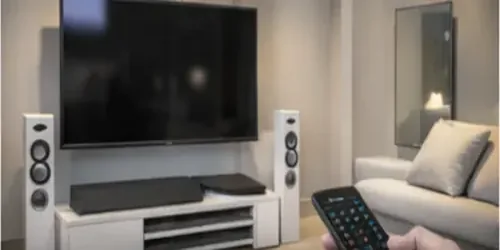
Home cinema, surround sound, multi-room audio and smart TV installations.

Smart gate motors, remote access, intercom integration and automated entry systems.
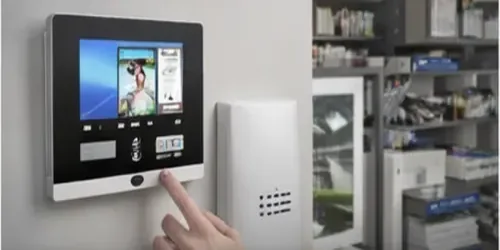
Video and audio intercom systems for residential complexes, estates and commercial buildings.
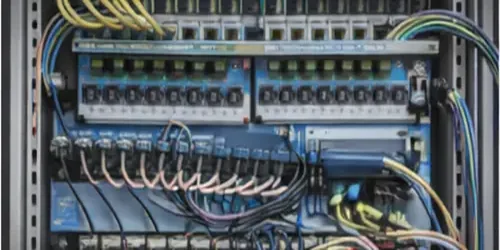
Wi-Fi infrastructure, network switches, access points and structured network installation.

Structured data cabling, fibre, Cat6/Cat7 installation — the foundation of a reliable connected home.
The best smart homes are designed as a system, not assembled piecemeal from disconnected installers.
A home where the gate, intercom, lighting, audio and security all work together seamlessly requires a single contractor who understands integration — not four separate specialists who each blame the others when something doesn't work.
Our smart home and connectivity contractors design the full system, run the right cabling infrastructure, and commission everything to work as intended. From a single intercom to a full luxury home automation project, we match you with the right level of expertise.
The decision that matters most on any connected home is cabling, because it is the only part you cannot easily change later. Running data cable to television points, access points and camera positions during a build or renovation costs very little; retrofitting it afterwards means lifting floors and chasing walls. Wireless handles the devices, but the backbone should be wired. If you are renovating for any other reason, this is the moment to decide.
Find our verified contractors across all major areas and suburbs in your province.
No areas listed yet.
No areas listed yet.
Also covering
No areas listed yet.
No areas listed yet.
No areas listed yet.
No areas listed yet.