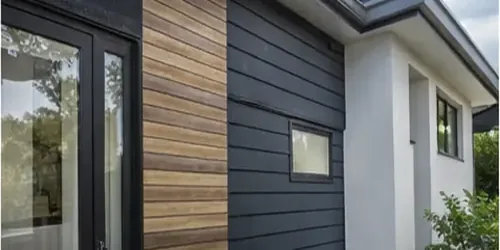
Cladding
Façade Cladding
Timber, fibre cement, stone and aluminium cladding systems for a refreshed exterior look.

The parts of a house people see first, put right — across South Africa.
Improvements that protect as well as decorate
Exterior upgrades improve appearance and slow deterioration at the same time. Through our contractor network the scope includes rendering and texture coating, cladding, roof treatment and sealing and gutters and downpipes. Anything that shields the structure from sun and rain is doing protective work as well as cosmetic work, which is where most of the value sits.
The street-facing elevation returns more than any other work on a property. It sets the impression a visitor or a buyer forms before they see anything else, which means a tidy entrance, sound facias and gutters, and a considered front elevation do more for perceived value than considerably more expensive work at the back that nobody notices on arrival.
Every material has a maintenance appetite, and choosing on appearance alone stores up work. Timber cladding and decking look best and demand the most, needing regular treatment to resist UV and moisture. Fibre cement and aluminium composite are considerably lower maintenance and look different. On coastal properties the calculation shifts further, because salt attacks fixings and finishes faster than most owners anticipate. Decide how much maintenance you will actually do before choosing what to install.
The useful way to think about exterior work is that some of it pays for itself by preventing damage and some of it is purely presentation. Cladding, roof sealing and sound rainwater goods reduce what the weather does to the structure; a colour change does not. Both are legitimate, but they justify themselves differently, and knowing which you are buying helps. We publish no rates because access and height dominate the figure. Tell us about the building and we will match you with contractors covering your area.
Undersized gutters overflow at exactly the wrong time
Rainwater goods are the cheapest protective element on a building and the most neglected. A gutter that overflows in every heavy storm soaks the wall beneath it repeatedly, and that wall then shows damp that gets diagnosed as rising damp or a waterproofing failure. Fixing the gutter costs a fraction of what the misdiagnosed damp treatment would.
Sizing matters and is frequently wrong. Gutters and downpipes need capacity for the intensity of rainfall actually experienced rather than average rainfall, and a system that copes with ordinary showers overflows in the storms that do the damage. Roof area, pitch and the number of downpipes all determine what is needed, and adding a downpipe is far cheaper than repairing the wall that repeated overflow damages.
Where downpipes discharge matters as much as whether the gutters work. A downpipe emptying at the base of a wall concentrates roof water exactly where it does most harm, saturating the ground against the foundation. It should discharge into a stormwater system, a channel or a soakaway well away from the building. Facias also deteriorate from behind before anything shows on the face, because water running behind a gutter is invisible until the timber fails.
Rainwater goods are inexpensive relative to what they protect, which is the main thing worth knowing about their cost. Replacing a run of guttering costs a fraction of repairing the wall that repeated overflow has damaged, and adding a downpipe costs less again. We publish no rates because material, height and roof configuration all vary. Tell us what the roof and gutters are doing and we will match you with contractors covering your area.
Roofed structures usually need approval
A covered patio adds usable living space for considerably less than an enclosed extension, which is why it is among the better-value exterior improvements. Permanent roofed structures attached to the house generally need approved plans, though, and estates usually apply architectural rules regardless. Lightweight retractable awnings often avoid both, which makes them worth considering where the requirement is shade rather than shelter.
Where the cover meets the house is where it leaks. A patio roof tying into an existing wall or roof needs proper flashing at the junction, and a lean-to roof at too shallow a pitch will not shed water reliably in heavy rain. This is the same detail that causes problems on extensions, and it is the first thing worth asking about when comparing quotes for a covered area.
Timber decks need ventilation underneath and are frequently built without it. A deck sitting close to the ground with no airflow beneath holds moisture against the underside of the boards, and they deteriorate from below while the visible surface still looks sound. Adequate clearance, ventilation and drainage under the structure matter more than the treatment applied on top. Orientation also determines whether a covered area gets used — a west-facing patio is uncomfortable through summer afternoons unless it is shaded properly.
Structures need foundations, and that is where covered-area quotes differ most. A permanent roofed patio carries real load and needs footings designed for the ground it sits on, while a lightweight awning bolts to the wall. Two quotes that look comparable can be pricing very different structures. We publish no rates. Tell us what you want covered and how permanent it should be, and we will match you with contractors covering your area.
Transform the outside of your home or commercial property.
Timber, fibre cement, stone and aluminium cladding systems for a refreshed exterior look.
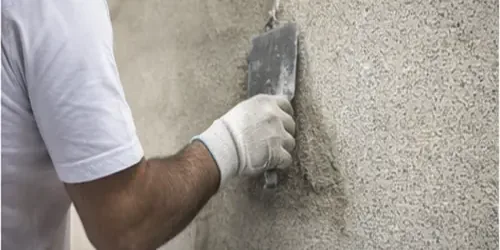
Exterior render, dashing, Texture coat and roughcast finishes for weathering and aesthetics.

Roof paint, sealers and heat-reflective coatings for IBR and tiled roofs.

PVC and aluminium gutter replacements, repairs and fascia board renewal.
Exterior upgrades protect the structure and add visible value at the same time.
Exterior upgrades serve a dual purpose — they make your property look better immediately and they protect the structure from ongoing weathering. A fresh exterior paint job with the right sealers, new gutters that drain correctly, and cladding that sheds water properly will extend the life of your building significantly.
Our exterior contractors assess the current condition, recommend the right system, and install with the attention to weather sealing that outdoor work demands.
Exterior upgrades earn their keep twice — they change how the property looks and they slow down how fast it deteriorates. Cladding, new facias, repainted exteriors and covered patios all shield the underlying structure from sun and rain, which is where most degradation happens. The detail that decides whether it lasts is the sealing at every junction: where cladding meets a window, where a new roof meets an old wall, where a deck meets the house. That is worth asking about specifically.
Find our verified contractors across all major areas and suburbs in your province.
No areas listed yet.
No areas listed yet.
Also covering
No areas listed yet.
No areas listed yet.
No areas listed yet.
No areas listed yet.