
Planting
Landscaping & Garden Design
Soft and hard landscaping — planting, lawn, paving and garden feature installation.

Gardens planted for the rainfall they will actually get — across South Africa.
Soil preparation determines what survives
Landscaping covers work that is part construction and part horticulture. Through our contractor network the scope includes landscaping, irrigation and swimming pools. Levelling, drainage, retaining and paving are building trades; planting, soil preparation and establishment are not, and few contractors are genuinely strong at both.
Soil preparation determines what survives, and it is the least visible part of a garden. Most disturbed building sites are left with compacted subsoil and construction rubble under a thin layer of topsoil, which drains badly and roots cannot penetrate. Breaking that up and improving it before planting costs far less than replacing plants that failed to establish in it.
Trees are the decision people regret most, and always in the same direction. A tree planted too close to a building, a boundary wall or a drain looks entirely reasonable at two metres and becomes a structural problem at ten. Root systems lift paving, block drains and damage foundations, and species with aggressive roots should be kept well away from anything built. Planting for the mature size rather than the nursery size is the single most valuable piece of garden planning.
Gardens are priced almost entirely by what nobody sees. Soil preparation, drainage, levelling and the depth of improvement all cost real money and leave no visible trace on handover day, while the plants that everyone notices are frequently the smaller part of the bill. We publish no rates because those proportions vary enormously between sites. Tell us about the space and what you want from it and we will match you with contractors covering your area.
Zones grouped by water need, not by convenience
Irrigation should be zoned by water requirement rather than by geography. Lawn, established shrubs, new planting and pots all need different amounts and different frequencies, and a system that waters them together necessarily overwaters some and underwaters others. Grouping plants by need at design stage is what makes efficient irrigation possible afterwards.
Irrigation should be installed before planting rather than retrofitted into an established garden. Sleeving under paving and driveways has to happen before those are laid, and retrofitting means either cutting them open or routing around them awkwardly. Digging lines through established beds also damages roots on the plants you were trying to water.
Water availability shapes garden design more than any other factor. Municipal restrictions arrive periodically and a lawn-heavy design becomes both expensive and vulnerable the moment they tighten, while indigenous and water-wise planting handles dry spells without dying back. Mulching beds properly cuts evaporation substantially, and rainwater harvesting reduces dependence on municipal supply — though tank sizing needs to reflect actual rainfall patterns rather than optimism.
The question worth asking about a pool or an irrigation system is not what it costs to install but what it costs to run. Filtration, chemicals and electricity are ongoing, and irrigation adds to a water bill that restrictions may later constrain anyway. We publish no rates for either, because installation varies by site and running costs vary by usage. Tell us what you are considering and we will match you with contractors covering your area.
New planting needs different watering to established
A garden is not finished when it is planted. New planting needs deeper, less frequent watering than established plants to encourage roots downward rather than keeping them at the surface, and the first two summers determine whether anything establishes properly. A design that looks complete on handover day and receives no aftercare will look considerably worse a year later.
Mulch does considerably more than it appears to. A proper layer on beds reduces evaporation substantially, suppresses the weeds that compete hardest with new planting, moderates soil temperature, and breaks down slowly into the soil. It is among the cheapest interventions in a garden and among the most frequently skipped, usually because it looks like a finishing touch rather than a functional layer.
Growth changes a garden, and designs that ignore it become maintenance problems. Shrubs planted at nursery spacing look sparse initially and crowded within three years; groundcover planted too far apart lets weeds establish in between; and lawn running right to a wall means edging it forever. Planting at the right density for what plants become, rather than for how the garden looks on completion, is what makes a garden get easier over time rather than harder.
Maintenance arrangements vary considerably between landscaping contractors, and it is worth establishing what happens after handover before you sign. Some include an establishment period with return visits and a replacement policy on planting that fails; others hand over and leave. Neither is wrong, but they are different offerings at different prices. We publish no rates. Tell us what you are planning and we will match you with contractors covering your area.
Everything from garden beds to fully automated irrigation and pool installations.
Soft and hard landscaping — planting, lawn, paving and garden feature installation.
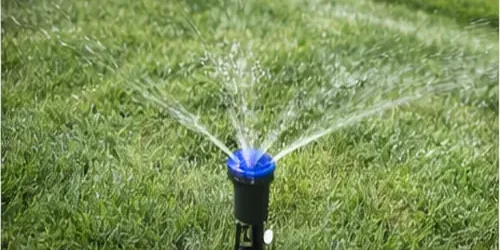
Drip, pop-up and micro-spray systems with programmable controllers.

New gunite, fibreglass and precast pool installations with pump and filtration.
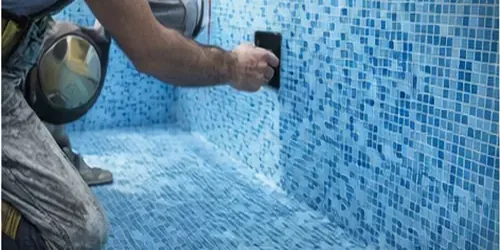
Resurfacing, new coping, pump replacements and automation upgrades for existing pools.
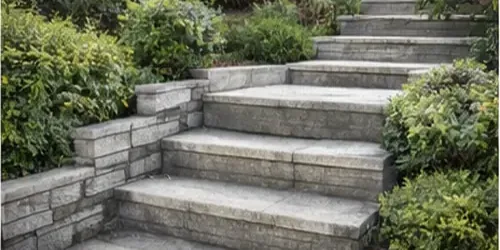
Garden retaining walls, steps and terracing in brick, stone and concrete.
Great landscaping is designed for what the garden will look like in five years — not just on handover day.
A well-designed outdoor space adds significant value to any property and transforms daily life. Whether you want a low-maintenance water-wise garden, an automated irrigation system, or a new pool for the family, the right contractor makes the difference between a space you use every day and one that becomes a burden.
Our outdoor contractors combine design skill with installation quality — and they think about what the garden will look like in five years, not just on handover day.
Water availability and restrictions shape garden design more than any other factor. Indigenous and water-wise planting handles dry spells and municipal restrictions without dying back, while a lawn-heavy design becomes expensive to keep alive and vulnerable the moment restrictions tighten. Irrigation should be zoned so that beds, lawn and pots run on separate schedules rather than everything getting the same water. Ask how the design performs in a dry summer, not just how it looks on installation day.
Find our verified contractors across all major areas and suburbs in your province.
No areas listed yet.
No areas listed yet.
Also covering
No areas listed yet.
No areas listed yet.
No areas listed yet.
No areas listed yet.