
Walls
Interior Painting
Walls, ceilings and features — properly primed and finished with quality paint.

Preparation done before the first coat, on painting across South Africa.
Plastering and painting are related but separate trades
Painting, plastering and skimming are related trades that are frequently confused. Through our contractor network the scope includes painting, plastering and skimming. A plasterer builds and levels the surface, a skimmer refines it, and a painter finishes it — and while some contractors do all three well, many are genuinely strong at only one.
The difference between painting quotes is nearly always preparation rather than paint. Washing down, scraping loose material, treating chalky old coatings and priming bare patches take days and do not show in a photograph, which is exactly why they are the first things cut when a price is squeezed. A cheaper quote that skips them looks identical on handover and starts flaking within two seasons.
Different surfaces need different coating systems, and using the wrong one is a common cause of early failure. Bare plaster needs a primer that seals and stabilises it, previously painted chalky exterior walls need a binding primer before anything else will adhere, and galvanised or bare metal needs an etch primer. Applying a standard wall paint over any of those without the correct primer produces adhesion failure regardless of the product's quality.
We do not publish painting or plastering prices. The area to be covered is only part of it — preparation required, surface condition, number of coats, access and height, and the local contractor rate all move the figure, and rates run lower in smaller towns than in the metros. Paint and materials are priced by the contractor for your job. Tell us what needs doing and we will match you with contractors covering your area.
Curing time is not optional and cannot be hurried
New plaster needs to cure and dry before painting, and the wait is longer than most people want it to be. Typically several weeks, longer in cold or humid conditions. Painting too early traps moisture behind the coating and causes peeling and staining that appears months later, and a contractor pushing to paint fresh plaster is prioritising their programme over your finish.
Flat and smooth are different qualities, and skimming addresses the second. A plastered wall can be perfectly flat and still carry the texture of the float; a skim coat refines that to a smooth surface ready for paint. Whether you need it depends on the light — raking light across a wall reveals texture that frontal light hides entirely, which is why the same wall can look fine in one room and poor in another.
Cracks that keep returning have a cause beyond the plaster. Settlement, thermal movement in long walls, and movement at the junction between different materials all produce cracking that fills and reappears in the same place. Filling repeatedly treats the symptom; the useful question is whether the crack is stable and cosmetic or active and structural, and that is determined by watching it rather than covering it.
We do not publish plastering or skimming prices. Whether walls need patching, full replastering or only a skim coat changes the work entirely, and that cannot be established from a description. Drying time between stages affects the programme too. Rates differ by area. Tell us the condition of the walls and we will match you with contractors covering your area.
North and west elevations fail first
Exterior paint is protection before it is decoration. It shields plaster and masonry from rain and UV, and when it fails the substrate begins to suffer rather than merely looking tired. Typical life is five to ten years depending on product, preparation and exposure, but that figure conceals wide variation between elevations of the same building.
Exposure varies sharply across a single building. North and west elevations take the most sun and degrade first, so it is entirely normal for one side of a house to need repainting years before another. Painting only the failing elevations is legitimate and cheaper, though matching colour across a weathered and a fresh elevation rarely works well.
Timing exterior work around the weather matters more than people expect. Coatings need dry substrates and minimum temperatures to cure properly, so cold or damp conditions compromise the film and shorten its life. A contractor who insists on waiting for suitable conditions is protecting your finish rather than stalling. Cracks and defects should also be sealed before coating — paint bridges a hairline crack briefly and then splits along it.
We do not publish exterior painting prices. Height and access determine whether scaffolding is needed, surface condition determines how much preparation, and elevation exposure determines how much repair comes first. Rates also differ by area. Paint is priced by the contractor for your job. Tell us about the building and we will match you with contractors covering your area.
From raw block walls to interior skimming and exterior repaints.
Walls, ceilings and features — properly primed and finished with quality paint.
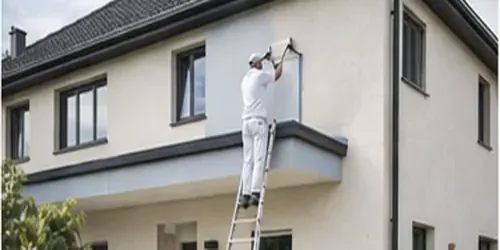
Façade repaints with weather-resistant coatings — prep, prime, seal and topcoat.
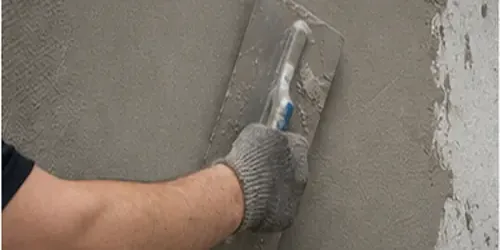
Sand and cement plaster for new builds, extensions and repair patches.

Fine skim coat finishing over existing plaster for a smooth, paint-ready surface.
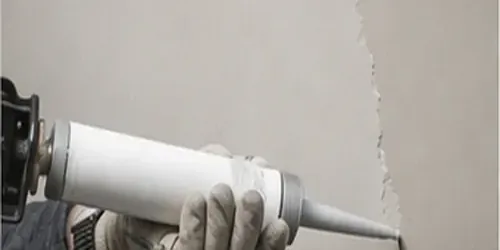
Diagnose, fill and seal structural and non-structural cracks before repainting.
The quality of a paint job is determined entirely by the prep work that comes before it.
The finish of a building is what people see first — and last. A professional paint and plaster job protects the structure, adds perceived value and makes spaces feel clean and cared for. A poor one chips, peels and undermines everything underneath it.
Our verified painters and plasterers bring the right tools, the right products, and the patience to prepare surfaces properly before a single drop of paint goes on.
The difference between quotes we see is nearly always preparation, not paint. Washing down, scraping loose material, treating chalky old coatings and priming bare patches take days and do not show in a photograph, which is exactly why they are the first things cut. A cheaper quote that skips them looks identical on handover and starts flaking within two seasons. Ask each contractor to write down their preparation steps and the number of coats, then compare those rather than the totals.
Find our verified contractors across all major areas and suburbs in your province.
No areas listed yet.
No areas listed yet.
Also covering
No areas listed yet.
No areas listed yet.
No areas listed yet.
No areas listed yet.