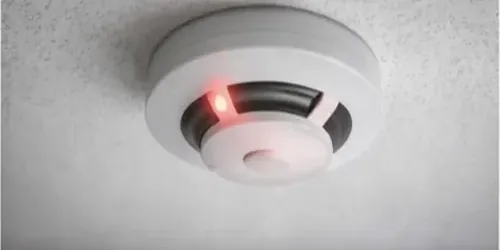
Smoke
Fire Detection Systems
Smoke detectors, heat detectors and addressable fire alarm panels.

Extinguishers, hose reels and hydrants supplied and serviced in South Africa.
Requirements follow occupancy, not floor area alone
Fire protection covers detection, suppression and the documentation that ties them together. Through our contractor network the scope includes fire detection systems, sprinkler systems, suppression systems, hose reels and hydrants, fire system maintenance and compliance and certification. Detecting a fire, containing it and evacuating people are distinct problems, and a compliant building addresses all three rather than the easiest one.
What a building requires depends on its occupancy classification rather than its size alone. A warehouse storing flammable stock, a restaurant with a commercial kitchen and an office of identical floor area attract very different requirements, because the hazard differs. Establishing the classification and what it demands should precede any equipment discussion, since specifying hardware before knowing the requirement is how buildings end up with the wrong system.
The fire department signs off, which makes their acceptance the real test rather than a supplier's assurance. A system installed to a specification that the local authority does not accept has to be altered, and retro-fitting after a failed inspection costs considerably more than getting the design agreed first. Engaging with the requirement early — before ordering equipment or, better, before finalising the building layout — avoids the expensive version of this.
Fire protection is the one area where we would rather you spoke to a specialist early than shopped on price. The requirement is set by occupancy and by the local authority, not by preference, and a cheaper system that fails inspection costs more than the correct one. We publish no rates because requirements vary entirely by building. Tell us what the premises are used for and we will match you with contractors covering your area.
Smoke and heat detectors suit different rooms
Detector type should follow the environment rather than being applied uniformly. Smoke detectors respond faster to most fires but produce false alarms in kitchens, workshops and dusty areas; heat detectors tolerate those conditions but respond later. Multi-sensor devices sit between the two. Fitting smoke detection in a kitchen and then disabling it because it triggers during cooking leaves the space with nothing at all, which is worse than specifying correctly at the outset.
Addressable and conventional panels differ in what they tell you. A conventional system reports that something in a zone has activated; an addressable system reports which specific device. In a small building the difference is minor, but in a larger one searching an entire zone during an actual fire is time nobody has. Addressable systems also make maintenance considerably easier, because a faulty device identifies itself.
Detection in concealed spaces is regularly overlooked. Ceiling voids, service risers and roof spaces frequently contain cabling and equipment and are exactly where a fire can develop unseen until it is well established. Whether they need detection depends on the design and the authority's requirements, but the question should be asked deliberately rather than left out by default. Sounder audibility deserves the same attention — an alarm that cannot be heard over machinery or from a bedroom has not done its job.
Detection system pricing depends on panel type, device count, wiring routes and whether the building is occupied during installation. Retro-fitting into a finished building costs considerably more than installing during construction, because cabling has to be routed through completed ceilings and walls. We publish no rates. Tell us about the building and its use and we will match you with contractors covering your area.
Compliance is a state you maintain, not achieve
Compliance is a state you maintain rather than something you achieve once. A system correctly installed and certified drifts out of compliance as extinguishers pass their service dates, detectors go untested, batteries age and equipment reaches the end of its life. Inspectors check records as readily as hardware, and a building with sound equipment and lapsed documentation can fail an inspection just as a neglected one does.
Extinguishers carry a service tag with a date on it, and that date is among the first things an inspector or insurer looks at. Annual servicing is the general expectation, with the unit tagged and the service recorded. Extinguishers also have a finite life beyond which they must be replaced rather than re-serviced, which catches people who assume servicing continues indefinitely.
Some checks are the occupier's responsibility rather than the contractor's, and that division catches businesses out. Weekly call point tests, monthly emergency lighting checks and keeping access to equipment clear are typically your obligation, recorded in a log book that an inspector will ask to see. A service contract covers periodic professional attention, not the routine checks between visits. Establishing which is which — and who in the business actually does them — is worth doing before an inspection rather than during one.
Maintenance contracts differ in what they include and how often they attend, and comparing them on annual price alone is misleading. Establish the visit frequency, what each visit covers, whether replacement parts and expired extinguishers are included, and what the response time is if something fails between visits. We publish no rates. Tell us what systems you have and we will match you with contractors covering your area.
Full-scope fire protection from detection to suppression and certification.
Smoke detectors, heat detectors and addressable fire alarm panels.
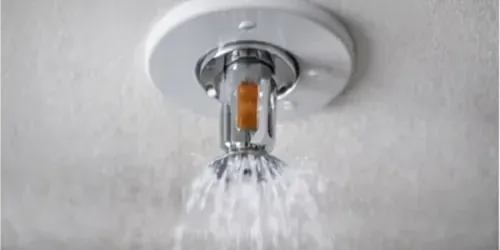
Wet and dry pipe sprinkler systems for commercial, industrial and residential.
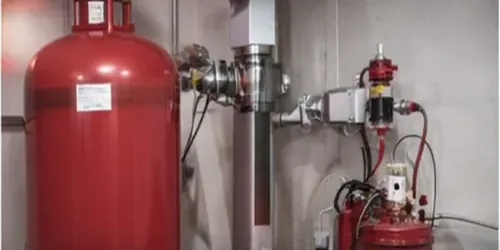
Gas suppression, foam and powder systems for server rooms and high-risk areas.

Installation and maintenance of hose reels, hydrants and fire fighting equipment.
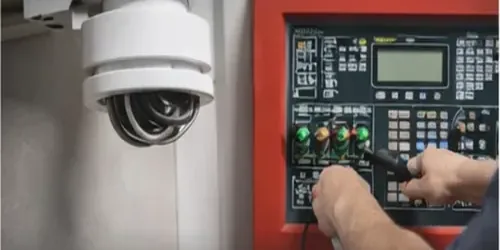
Annual testing, certification and ongoing maintenance of all fire protection systems.
Fire protection is a legal requirement — and the difference between a contained incident and a total loss.
Fire protection is not optional — it is a legal requirement for commercial, industrial and multi-residential buildings. Beyond compliance, a correctly installed fire system is the difference between a contained incident and a total loss.
Our certified fire contractors design, install, certify and maintain systems that meet both the letter of the law and the demands of your specific occupancy.
Fire requirements follow the building and its occupancy, not its size alone. A warehouse storing flammable stock, a restaurant with a commercial kitchen and an office of the same footprint attract very different requirements. The local fire department signs off against the national standards and their own by-laws, so the practical route is to establish what your rational design must achieve before pricing equipment. Retro-fitting after a failed inspection costs considerably more than getting the design right first.
Find our verified contractors across all major areas and suburbs in your province.
No areas listed yet.
No areas listed yet.
Also covering
No areas listed yet.
No areas listed yet.
No areas listed yet.
No areas listed yet.