
Torch-On
Flat Roof Waterproofing
Torch-on, liquid membrane and acrylic coating systems for flat and low-pitch roofs.

Finding where the water gets in before selling you a coating — across South Africa.
Different surfaces need genuinely different systems
Waterproofing is not one product applied everywhere. Through our contractor network the scope covers waterproofing and damp proofing, spanning flat roofs, balconies and terraces, wet areas, planters, retaining structures and below-ground work. A torch-on system suited to a flat roof is the wrong answer under tiles, and a coating that works on a parapet will not survive foot traffic.
Where the water pressure comes from changes the approach entirely. Waterproofing applied on the side water pushes against is doing the job it was designed for; waterproofing applied on the opposite side is being pushed off its substrate every time it rains. This is why treating a damp basement wall from inside works far less reliably than treating it from outside, even though the inside is easier to reach.
Movement is the other constant. Buildings expand and contract with temperature, concrete shrinks as it cures, and different materials move at different rates where they meet. A rigid coating over a substrate that moves will crack along the movement, which is why flexible systems and correctly positioned movement joints matter more than the headline waterproofing rating. Older properties with existing cracking need that movement assessed before any system is specified.
Nobody can price waterproofing before diagnosing it, and we will not pretend otherwise. Rising damp, a penetrating leak and condensation produce similar marks on a wall and need entirely different treatments — one of which is not waterproofing at all. A quote given before the cause is established is a quote for the wrong product. Tell us what you are seeing and we will match you with contractors covering your area who diagnose before they specify.
Failures happen at edges, not in the middle
Waterproofing almost never fails in the middle of a surface. It fails at the edges — where the membrane turns up a wall, where it terminates at a door threshold, where a pipe or bracket penetrates it, and where two planes meet. A contractor who talks about products but not about terminations is describing half the job.
Upstand height is the commonest shortcut in flat roof work. The membrane needs to turn up adjacent walls and parapets far enough that water cannot back up over the top during heavy rain or when an outlet partially blocks. A low upstand looks finished and works perfectly until the first storm that raises the water level, at which point it does nothing at all.
Every penetration through a waterproofed surface is a potential leak, and they accumulate over time. Aerial brackets, solar mountings, air conditioning pipework and satellite fixings all get added to flat roofs years after the waterproofing was done, frequently by trades with no waterproofing knowledge. Anything fixed through a membrane needs proper sealing and, ideally, mounting on a purpose-made upstand rather than bolted directly through.
We do not publish waterproofing prices, and the detailing above is why. Two roofs of identical area can differ substantially in cost because one has three penetrations and a simple perimeter while the other has parapets, outlets, thresholds and a dozen fixings to detail around. Rates also differ by area. Tell us about the roof or surface and we will match you with contractors covering your area.
A guarantee is only as good as the company behind it
A waterproofing guarantee is worth exactly what the company behind it is worth. Ten years from a business that closes in three is a piece of paper. Ask how long the contractor has traded, whether the guarantee is backed by the material manufacturer as well as the applicator, and get it in writing with the exclusions listed rather than accepting a verbal assurance.
Read the exclusions before the period. Most waterproofing guarantees exclude damage from blocked outlets, ponding caused by inadequate falls that existed beforehand, penetrations made by other trades, and failure to maintain. Those exclusions are reasonable, but they mean the guarantee covers the membrane rather than the roof — and knowing the difference before a problem arises saves an argument later.
Blocked outlets cause more water damage than failed membranes. Leaves, moss, builders' debris and windblown sand accumulate at outlets and in gutters, water backs up above the upstand, and a sound waterproofing system is defeated by something a twenty-minute clean would have prevented. Clearing outlets and gutters before the rainy season is the single most useful maintenance task on any flat roof.
We do not publish waterproofing or maintenance prices. Inspection and cleaning are small jobs priced by time and access; remedial work depends entirely on what the inspection finds. Rates differ by area as well. Tell us whether you need an inspection, maintenance or a repair and we will match you with contractors covering your area who can look before they quote.
Full waterproofing and damp proofing capability for all building types.
Torch-on, liquid membrane and acrylic coating systems for flat and low-pitch roofs.
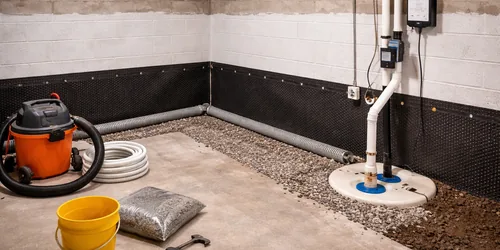
Negative and positive side waterproofing for below-ground structures.
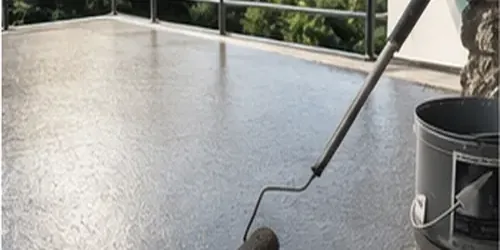
Waterproof deck coatings for balconies, terraces and exposed concrete surfaces.

Chemical injection damp-proof course installation to eliminate rising damp.

Wet area membrane systems for shower floors, walls and bath surrounds.
Treating symptoms without finding the source is the most common waterproofing mistake.
Water ingress is the single biggest cause of structural deterioration in South African buildings. From black mould on interior walls to spalling concrete and rusting reinforcing steel, the damage caused by unchecked moisture is always more expensive to repair than to prevent.
Our waterproofing contractors diagnose the root cause before quoting, use the correct system for your substrate, and back their work with a written guarantee.
Damp gets misdiagnosed more often than almost anything else we place. Rising damp, penetrating damp from a failed wall or gutter, and condensation all leave marks on a wall, but the three need completely different treatments and only one of them is fixed by a damp-proof course. Painting over the symptom with a sealer traps moisture and usually makes it worse within a season. Insist on a diagnosis with a reason attached before any product is quoted.
Find our verified contractors across all major areas and suburbs in your province.
No areas listed yet.
No areas listed yet.
Also covering
No areas listed yet.
No areas listed yet.
No areas listed yet.
No areas listed yet.